
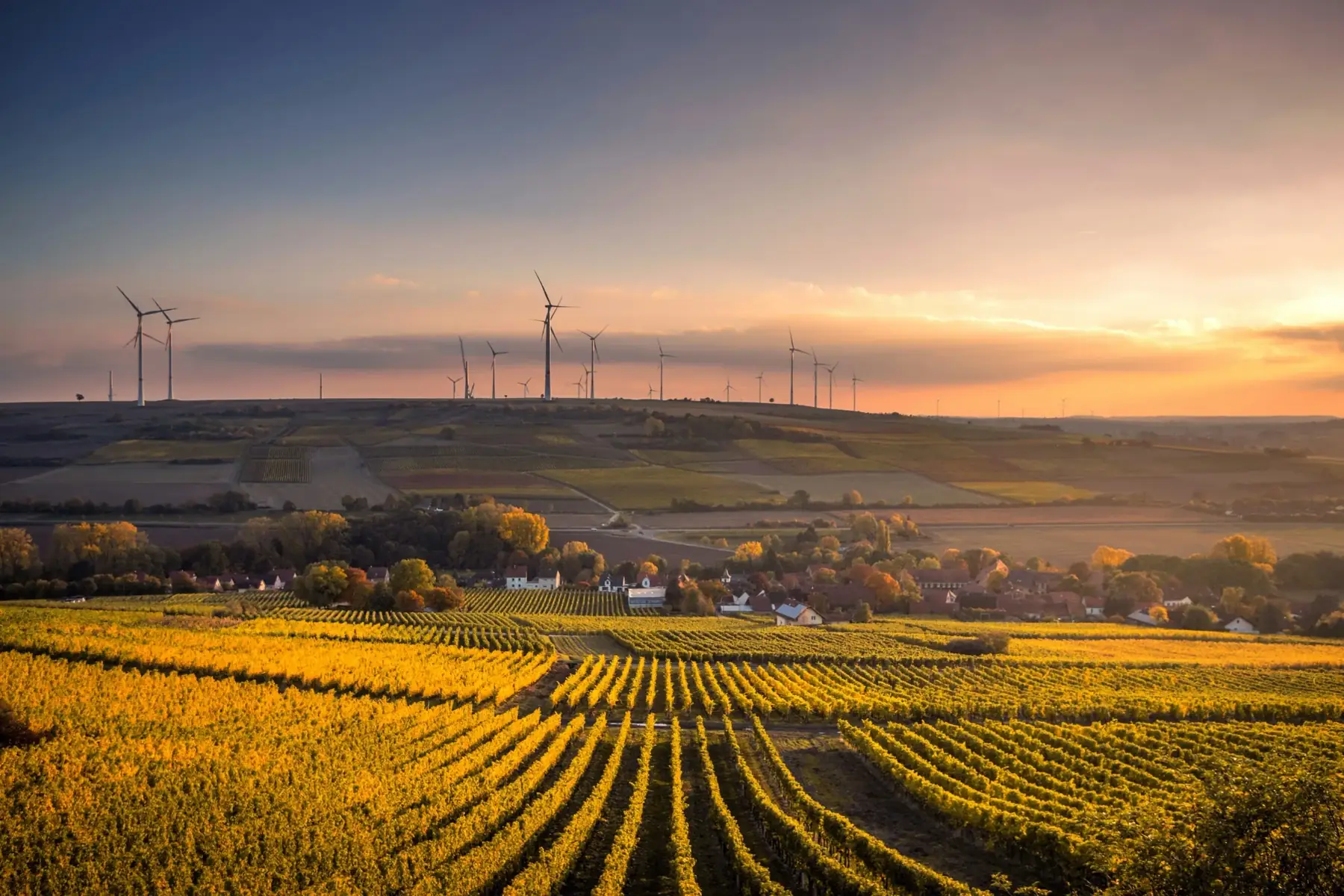
One energy system, owned end to end.
Eight capabilities that work as one system: generation, storage, distribution, and the control layer that runs them. You own the assets, or we do. Either way, one operator answers for cost, uptime and carbon.
The system
Not a catalogue. A system.
A panel supplier sells panels. A battery vendor sells batteries. Someone is then left integrating them, and that someone is usually you. We design the whole chain, so each part is sized against the others and against your actual load curve.
01 Generate
Solar
Rooftop and ground-mount generation sized to your consumption, not your roof area.
02 Store
Energy storage
Batteries that firm supply, shave peaks and remove the diesel dependency.
03 Distribute
Microgrids and EV
Power moved where it is needed, including charging as a managed load.
04 Control
Smart energy
The layer that decides what runs from where, and proves what it saved.
Managed Energy Services. The engineering is the same whether the asset sits on your balance sheet or ours. That is a commercial decision, taken after the numbers are on the table.
Group A
Generate, store and control.
Five capabilities. Each one is engineered against your load, your tariff and your site, then tied into the same control layer.
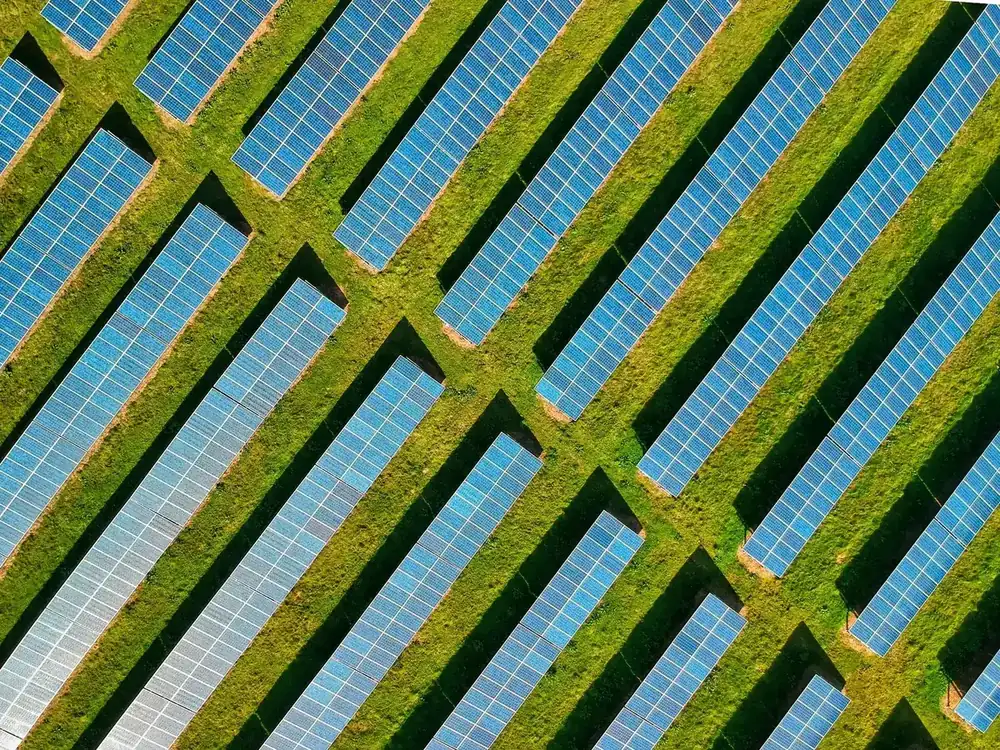
Solar
Rooftop and ground-mount generation, engineered for your load and your site.
- Structural and shadow assessment before the design is fixed, not after.
- Sized against your load curve, so you are not exporting power you could have used.
- Net metering, open access and captive routes compared on cost, not on habit.
- Monitored at string level, so underperformance becomes a ticket rather than a surprise on the bill.
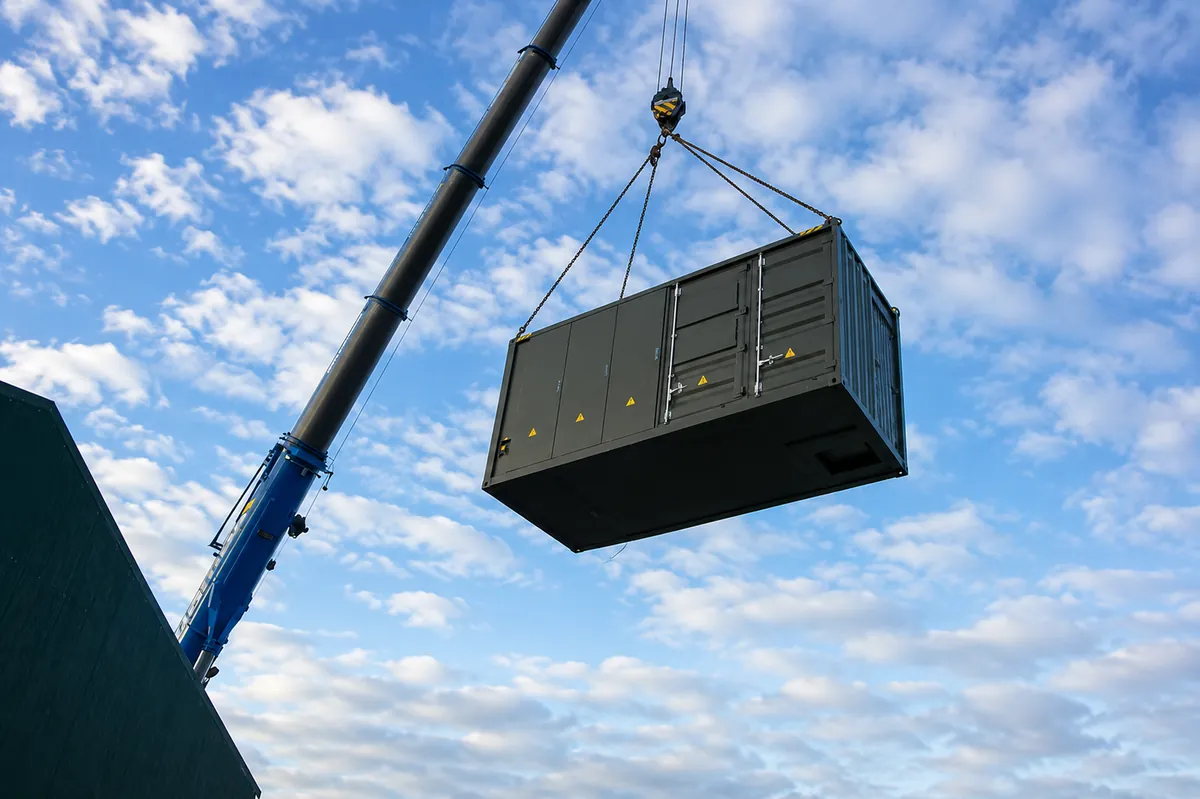
Energy Storage
Battery systems that firm supply, cut demand charges and end diesel dependence.
- Sized on your demand profile and tariff structure, including time-of-day windows.
- Peak shaving against contract demand, which is often where the money actually is.
- Backup for critical loads without running a diesel set to do it.
- Thermal management and safety systems specified for Indian ambient conditions.
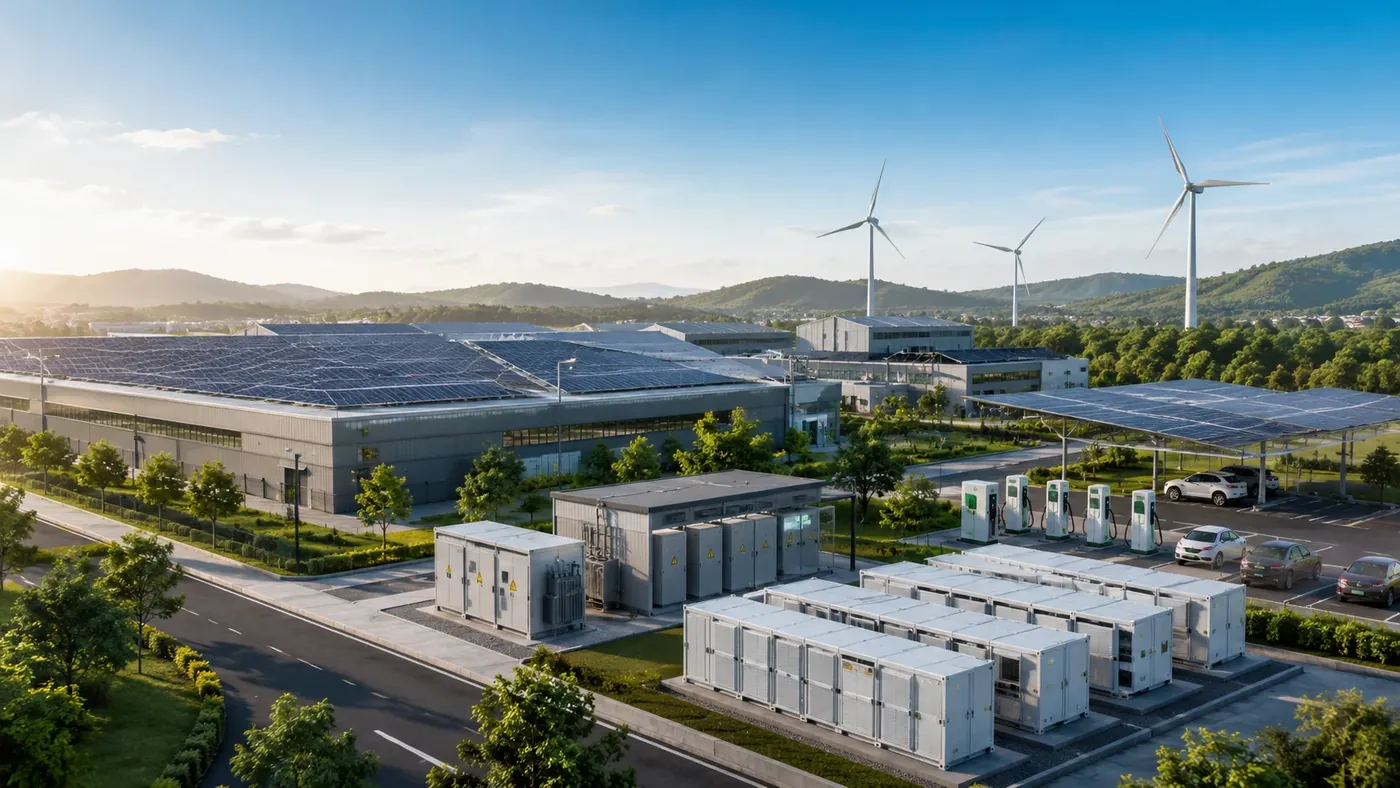
Microgrids
Generation, storage and control tied together, so a site keeps running on its own power.
- Islanding and transfer when the grid drops, without a manual intervention.
- Multiple sources coordinated: solar, storage, grid, and any diesel you already own.
- Critical loads prioritised automatically when supply is constrained.
- Built for sites where an hour of downtime costs more than the system does.

EV Infrastructure
Charging built as a managed load inside your energy system, not bolted on.
- Load management, so charging does not push you past your contract demand.
- AC and DC charging specified by dwell time and duty cycle, not by catalogue.
- Charging scheduled against your own generation and the cheaper tariff windows.
- Access control, metering and reporting per user, department or vehicle.
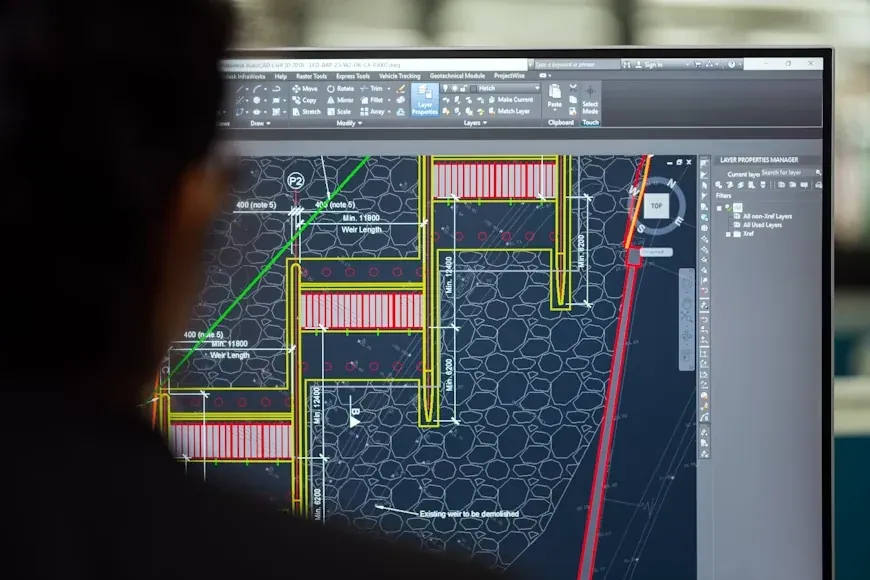
Smart Energy
The intelligence layer that monitors, optimises and reports every kilowatt.
- Metering at asset level, not only at the boundary, so you can see where it went.
- Alerts on underperformance before it reaches a monthly bill.
- Automated dispatch between solar, storage and grid based on price and demand.
- Export-ready data for BRSR disclosure and CBAM reporting.
Group B · The model
Own the assets, or let us own them.
The engineering does not change between these two. The balance sheet does. Decide which side of it this sits on, after you have seen both costed.
Capital purchase
You fund the system and own the asset. You keep the full saving, and the asset sits with your other capital equipment.
- Best when
- Capital is available, the site tenure is long, and you want the asset and the full benefit on your own books.
- What we do
- Assessment, design, procurement, build, commissioning, and ongoing operation and maintenance under contract.
- What you carry
- The capital outlay, and asset performance beyond whatever the O&M contract covers.
Managed service (RESCO or BOOT)
We fund, build, own and operate the system. You pay for the energy or the availability, and the capital stays in your business.
- Best when
- Capital is scarce or committed elsewhere, or you would rather transfer performance risk than manage it.
- What we do
- Everything above, plus we finance the asset and carry it for the contract term.
- What you carry
- A contracted tariff or service fee, and a longer commitment on the site.
Group C
What it is actually for.
Two outcomes. Everything above exists to deliver one of them.
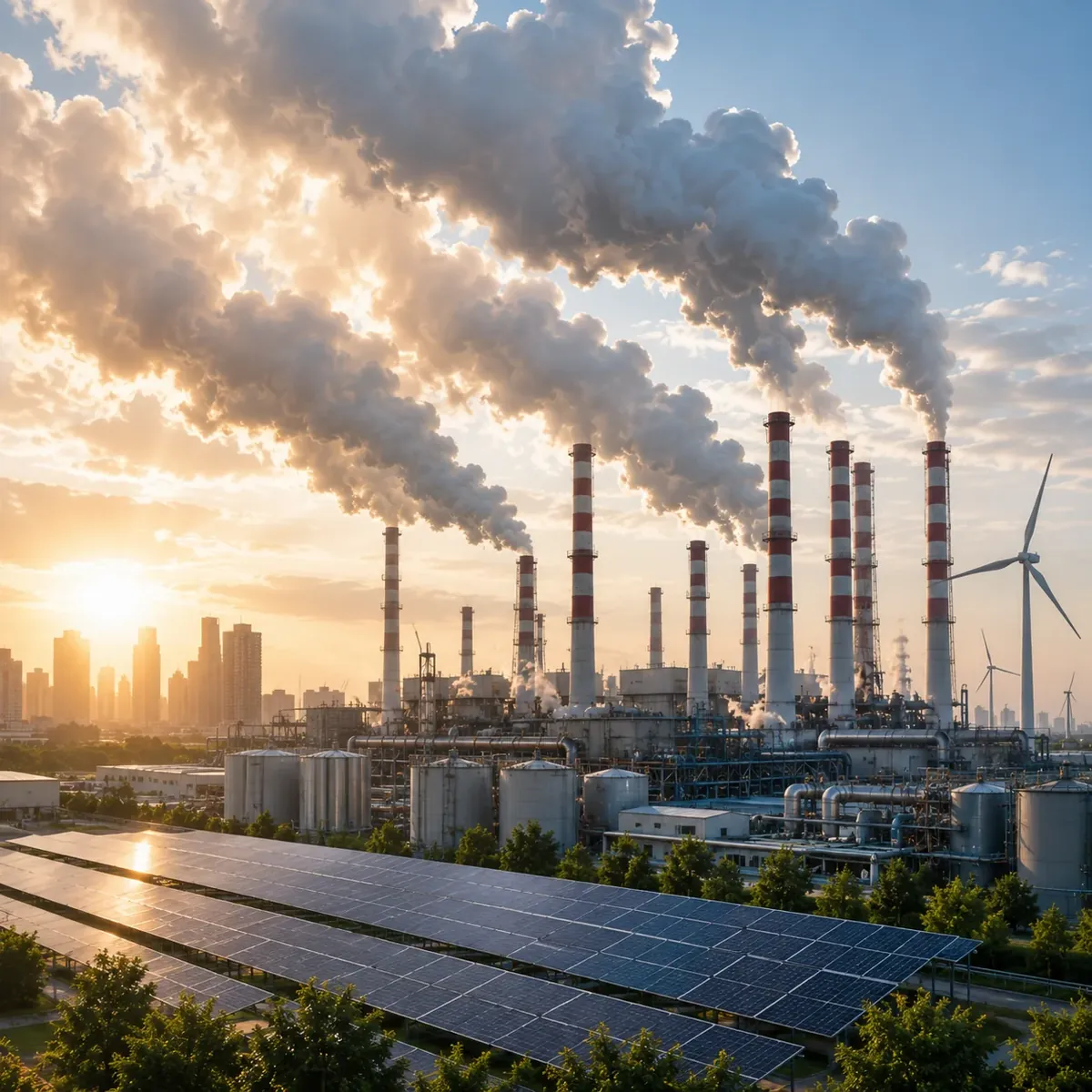
Industrial Decarbonization
A measurable cut in energy cost and emissions, evidenced well enough to put in a filing.
- Baseline your current consumption and emissions before anything is promised.
- Reduce through owned generation, storage and load control rather than offsets.
- Evidence it with metered data your auditors and your customers can follow.
- Built for manufacturers facing BRSR value-chain disclosure and CBAM at the EU border.

Government Energy Projects
Clean energy projects delivered on procurement terms, not on vendor terms.
- Structured for public procurement, including GeM routes and tender documentation.
- RESCO and BOOT structures where capital budgets cannot carry the asset.
- Long-term operation and maintenance, because a handover is not an outcome.
- Documentation and reporting built for multi-year approval and audit cycles.
How it runs
What actually happens, in order.
No project starts with a system. It starts with your load curve and your tariff, and an honest answer about whether this is worth doing at all.
STEP 01
Assessment
Your load curve, tariff structure, site constraints and existing equipment.
You get: what is possible, what it saves, and whether it is worth doing.
STEP 02
Design
The system sized and engineered as one chain, not as separate purchases.
You get: single-line diagram, bill of materials, generation and saving model.
STEP 03
Commercial decision
Own it or we own it, costed side by side over the same horizon.
You get: both options in writing, with the trade-offs stated.
STEP 04
Build
Procurement, installation, approvals and commissioning, managed by us.
You get: a commissioned system and the documentation behind it.
STEP 05
Operate and report
Monitoring, maintenance and performance reporting for the life of the asset.
You get: uptime, and data clean enough for disclosure.
Questions
The things people ask first.
Do we have to own the assets?
No. You can buy the system outright, or we can finance, build, own and operate it and charge you for the energy or the availability. We will cost both against the same horizon so the comparison is real rather than a sales preference.
What size of site is worth doing?
It depends far more on your tariff, your load pattern and your available area than on a single threshold. A site with a high contract demand and expensive peak hours can justify storage that a larger but flatter site cannot.
The assessment answers this specifically. If the numbers do not work, we will say so.
How long does a project take?
Design and build are usually the predictable part. Approvals, grid clearances and net metering are what move the date, and they vary by state and by utility.
We give you a schedule with the approval path shown separately, so you can see which parts we control and which we do not.
Can you work through GeM or a tender process?
Yes. Public-sector work is a core part of what we do, including GeM routes, tender documentation, and RESCO or BOOT structures where a capital budget cannot carry the asset. We build the documentation to survive a multi-year approval and audit cycle.
What happens to our energy data?
It is yours. We use it to run and optimise your system and to produce your reporting. We do not sell it or use it to build profiles. How we handle personal data is set out in our Privacy Policy.
Do you handle approvals and net metering?
Yes, as part of the build. Requirements differ by state and by discom, so we map the approval path during design rather than discovering it during installation.
Do you only work in Maharashtra?
We are based in Pune and work across India. Multi-state operations are common for the manufacturers we work with, and the reporting layer is built to handle sites under different discoms and different state rules.
Get in touch
Start with the assessment.
Tell us about your site, your load and what your energy currently costs you. We will come back with what is possible and what it is worth.
Prefer to talk now? info@dvoltt.com · +91 75592 91724